
Comprehensive Nursing Services for Patient-Centered Care and Recovery
Nursing services extend far beyond hospital bedsides, with a significant portion of care now delivered directly in patients’ homes, schools, and workplaces. These services operate through a structured process where registered nurses assess individual needs, develop personalized care plans, and coordinate with physicians and families to ensure continuous, evidence-based treatment. By integrating preventive education, medication management, and chronic condition monitoring into daily routines, nursing services substantially reduce hospital readmissions while empowering patients to maintain independence. To access these services, individuals typically request a nursing evaluation through their primary care provider or a home health agency, after which a nurse schedules an initial visit to begin the customized care journey.
What Exactly Do Professional Care Providers Do in a Home Setting?
In a home setting, professional nursing care providers deliver clinical interventions that go far beyond basic companionship. They perform skilled assessments, monitoring vital signs, and managing complex medication regimens with precision. Their daily tasks include wound care, catheter and feeding tube management, and administering injections or IV therapies as prescribed. They also coordinate with physicians, adjust care plans based on real-time changes in your condition, and educate family members on safe transfer techniques and symptom recognition. This is not passive assistance—it is active medical management tailored to your living room. For example, if a patient develops shallow breathing overnight, the nurse recognizes early distress, initiates oxygen support, and contacts the doctor before an emergency escalates—all without a hospital bed. They also handle lab draws, glucose testing, and fall risk assessments, ensuring chronic conditions like heart failure or diabetes stay stabilized. Ultimately, they bring hospital-grade clinical vigilance into your home, allowing you to recover with dignity while preventing avoidable readmissions. Q&A: What is the core difference between a home health aide and a professional nurse? The aide helps with bathing and meals, but the nurse performs medical procedures, evaluates health status, and adjusts treatments—providing the clinical backbone that keeps you safe.
Daily Personal Care Assistance: Bathing, Dressing, and Grooming
When a nurse handles your daily personal care assistance, it’s way more than just checking a box. Bathing becomes a safe, step-by-step routine where they help you into a shower chair, manage water temperature, and gently wash hard-to-reach areas while protecting your skin. Dressing is about making it easy—choosing clothes with adaptive closures or compression socks, and guiding your arms and legs without straining sore joints. Grooming covers everything from brushing your teeth and combing hair to trimming nails, so you always feel presentable. The goal is to keep you comfortable, dignified, and independent where possible, not to rush through tasks.
- They prep the bathroom with non-slip mats and grab bars before every wash.
- They offer choices in outfits each morning, respecting your personal style.
- They handle dentures, hearing aids, or glasses so you’re fully set up for the day.
Medication Reminders and Health Monitoring at a Glance

Medication Reminders and Health Monitoring at a Glance function as the operational backbone of home nursing, ensuring that prescribed regimens are followed without lapse. Care providers systematically organize pillboxes, set timed alerts, and directly observe each dose, reducing missed or double medications. Concurrently, they track vitals—blood pressure, glucose, oxygen saturation—using portable devices, logging deviations in a daily chart. This dual process enables early detection of subtle changes, prompting timely adjustments to the care plan. While reminders address adherence, monitoring interprets the body’s response, creating a closed feedback loop that informs whether the current medication schedule remains safe or requires professional review. For families, this glance-level oversight translates into fewer emergency calls and a clearer picture of daily stability. Medication Reminders and Health Monitoring at a Glance thus compress complex clinical vigilance into routine, repeatable actions.
Q: How often should a home nurse check vitals during medication reminders? Typically, vitals are taken before each scheduled dose, especially for cardiovascular or diabetic medications, to catch interactions or adverse effects at the moment of administration.
Light Housekeeping and Meal Preparation as Part of Care

In a home setting, professional care providers integrate light housekeeping and meal preparation directly into the nursing care plan, ensuring browncountyhealthdept.org your environment supports recovery rather than hinders it. This means wiping down countertops, sanitizing high-touch surfaces, and managing laundry to reduce infection risks for vulnerable individuals. Meal preparation goes beyond cooking; it involves planning meals around dietary restrictions, portioning medications with food, and monitoring hydration levels during each meal. By handling these daily tasks, a caregiver preserves your energy for therapeutic activities, physical therapy, and rest—all critical to medical outcomes. You gain a cleaner, safer living space and consistent, nutritious meals without diverting energy away from healing.
How to Determine If You or a Loved One Needs In-Home Support
The first sign often hides in plain sight: a parent who once relished cooking now stares at the stove, or a spouse skips showers because standing exhausts them. You notice missed medication doses, bruising from unsteady steps, or meals left uneaten. Ask yourself—*can they safely manage toileting, dressing, or wound care alone?* A home health nurse can assess this during a visit, checking vitals, balance, and cognitive clarity. If you’re spending hours driving across town just to ensure a pill is swallowed, that’s a signal. Nursing support isn’t about losing independence; it’s about preserving what remains. For example, one client insisted she was fine until her daughter found unopened insulin vials. The Q&A: “How do I know it’s time?” If a nurse’s skill—like monitoring a chronic condition or teaching insulin use—would reduce ER trips or caregiver burnout, call for an evaluation. The honest answer: when daily tasks feel terrifying, not just hard.
Signs That Daily Tasks Have Become Overwhelming
When daily routines start to feel unmanageable, the first sign is often a noticeable drop in personal hygiene, such as skipping showers or wearing the same clothes repeatedly. Another clear indicator is missed meals or relying solely on snacks because cooking feels too exhausting, alongside unpaid bills or a pile of unopened mail. You might also observe forgotten medications, which is particularly dangerous, or a sudden inability to keep up with light housework like washing dishes. If leaving the house for errands or appointments now triggers visible anxiety, or getting dressed takes over an hour, these are concrete warning signs. Early recognition of task overwhelm allows for timely intervention. A helpful sequence to assess the situation includes:
- Track which specific tasks are being skipped or delayed for over three consecutive days.
- Note any physical or emotional distress—like crying, shaking, or agitation—when the task is attempted.
- Compare current performance to the person’s baseline from one month ago.
Such patterns indicate that daily demands have exceeded current capacity, making professional nursing support a relevant next step.
Understanding the Difference Between Companionship and Skilled Clinical Care
Understanding the difference between companionship and skilled clinical care begins with assessing the tasks required. Companionship focuses on social interaction, light housekeeping, and reminders, whereas skilled clinical care involves medical procedures like wound dressing, medication administration, or monitoring vital signs—actions that demand licensed nursing judgment. If a loved one needs help with bathing or meals, a companion suffices; however, if they have unstable health conditions or complex medication regimens, a registered nurse or licensed practical nurse is essential. Recognizing when clinical oversight becomes medically necessary prevents both under-care and unnecessary expense. The boundary often blurs when chronic conditions worsen subtly, making professional assessment invaluable.
Q: How do I know if my relative needs clinical care instead of just social support?
A: Ask whether their needs require assessment, invasive procedures, or modification of a care plan—companions cannot legally perform these, while a nurse can.
What Should You Expect During the First Visit from a Caregiver?
The doorbell rings, and the first thing you’ll notice is a calm, practiced smile—not rushed, not clinical. During that initial nursing service visit, the caregiver will sit with you, not just at you, asking about your daily rhythms, your pain points, and what “help” actually means in your home. They’ll take vital signs, review medications, and quietly note how you move from chair to kitchen, observing without judgment. Expect them to explain every action before doing it, turning tasks like bathing or wound checks into shared decisions, not surprises. They’ll also map your emergency contacts and medical history into a simple care plan, which feels less like paperwork and more like a safety net being woven around you. Most importantly, they’ll ask what “a good day” looks like for you—then adjust their approach to protect that vision. The real work begins with silence, though: watching how you breathe, how you flinch, how you hold your mug. By the hour’s end, you should feel heard, not inspected—and know exactly when they’ll return.

A Step-by-Step Walkthrough of an Initial Assessment
The initial assessment begins with the caregiver reviewing your referral documents and verifying your identity, medical history, and current medications. Next, they measure vital signs, including blood pressure, heart rate, temperature, and oxygen saturation, to establish a baseline. Following that, the caregiver conducts a functional evaluation of your mobility, balance, and ability to perform daily tasks like dressing or bathing. They then assess pain levels, skin integrity, and nutritional status, while asking targeted questions about recent symptoms or changes in condition. Finally, the caregiver documents all findings, discusses immediate concerns with you, and outlines the next steps in your personalized care plan. This structured initial assessment process ensures no critical health detail is overlooked.
Building a Personalized Care Plan: Who Decides What Happens?
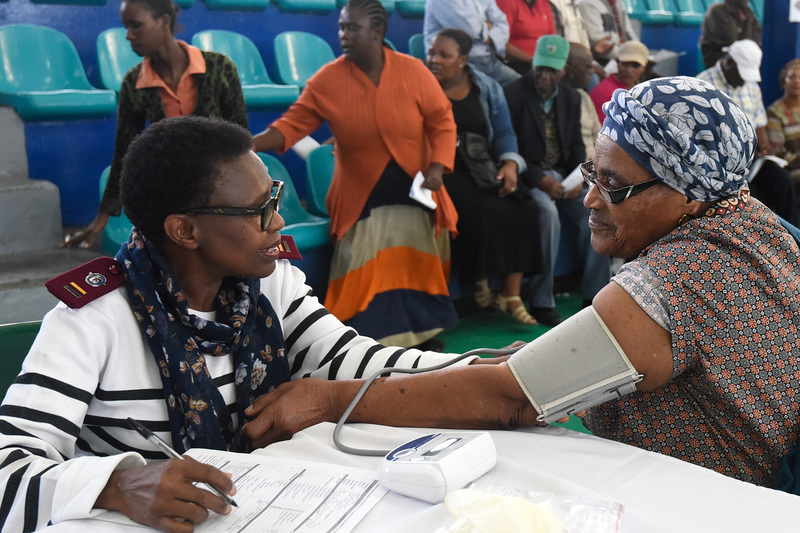
During the first visit, the personalized care plan structure is shaped by you, not imposed by the caregiver. The nurse assesses your needs, but you decide priorities, daily routines, and acceptable interventions. You approve each service—medication reminders, mobility assistance, or meal prep—before it is added. Family input is welcome, but your consent remains final. The process follows a clear sequence: first, you share preferences and medical history; second, the nurse drafts proposed tasks; third, you review and adjust the schedule; fourth, you sign off on the final plan. At any time, you can request changes, and the plan is revised to match your evolving comfort level.
Key Questions to Ask When Interviewing Potential Care Providers
When interviewing potential nursing care providers, prioritize questions that reveal their clinical judgment and daily workflow. Ask, “How do you prioritize tasks when multiple patients need immediate attention?” and “Can you describe your experience with medication management and wound care specifically?” Probe their communication style by requesting, “Walk me through how you would update a family after a sudden change in a loved one’s condition.” Inquire about shift handoffs: “What essential information do you always document and pass along?” and “How do you handle a disagreement with a physician’s order?” Also ask, “What non-negotiable safety protocols do you follow for fall prevention and infection control?” Never accept vague assurances; demand concrete examples from real cases. Finally, assess their adaptability: “How do you adjust a care plan when a patient’s needs change overnight?” Remember that the best indicator of future competence is how specifically they describe past problem-solving, not how confidently they promise outcomes. Always end by asking, “What do you wish families understood about your role?” Their answer reveals whether they view you as a partner or a bystander.
How to Verify Training, Experience, and Specialized Skills
To verify training, ask for the care provider’s diploma, course transcripts, and any specialty certificates (e.g., wound care, dementia, or post-surgical recovery). Cross-check these documents against the issuing institution’s registry, not just a photocopy. For experience, request a detailed log of past patient cases, including acuity levels and care durations, then contact at least two prior supervisors to confirm scope of practice. For specialized skills, conduct a practical scenario test—e.g., tracheostomy suctioning or insulin dose calculation—rather than relying on self-reporting. Validating credentials through primary sources eliminates inflated claims. Alone, years worked rarely indicate competence in rare procedures.
Q: What is the fastest way to verify a nurse’s specialized skill claim?
A: Request a live demonstration on a manikin or ask for a procedure-specific competency checklist signed by a former clinical educator, then verify that signature’s authenticity with the employer.
What to Ask About Scheduling Flexibility, Backup Coverage, and Communication
When interviewing nursing candidates, pin down **scheduling flexibility** by asking how quickly they can adjust to overnight shifts, split shifts, or weekend coverage, and whether they operate on a first-come, first-served calendar. Probe backup coverage with “If you’re sick or delayed, who fills my slot within two hours?” and request a concrete name or agency protocol. For communication, clarify the preferred channel—text, app, or phone—for daily updates and emergency alerts, plus response-time guarantees. Ask how shift handoffs are documented, and who to contact when the primary nurse is unreachable. These answers reveal whether your care stays seamless during life’s unpredictability.
Practical Tips for Making the Most of Your Caregiving Arrangement

Keep a shared communication log where you note daily vitals, medication timing, and any subtle changes in condition, so every nursing shift starts with full context. Prepare medication boxes yourself if possible, and ask the nurse to double-check them weekly, catching errors before they become issues. Schedule your most complex care tasks, like wound dressings or catheter care, for when the same nurse visits, ensuring consistency and better technique. Ask your nurse to demonstrate one procedure each visit, then perform it under their supervision. Q: How do I handle a nurse who is always late? A: Reconfirm arrival windows each morning and have a backup family member ready for the first 30 minutes, saving you stress and protecting the care schedule.
How to Communicate Effectively with Your Care Team for Better Results
Clear communication with your care team begins with preparing a concise agenda before every visit, listing symptoms, medication changes, and specific questions. Prioritize the most urgent concerns first to ensure they receive attention within the appointment’s time constraints. When describing symptoms, use factual observations—onset, duration, severity, and what worsens or relieves them—rather than emotional summaries, as this gives clinicians actionable data. After receiving instructions, repeat them back in your own words to confirm mutual understanding and request written summaries if available. If a treatment plan feels unmanageable, state your limitations directly so the team can adjust realistically. Finally, document every conversation’s key decisions and share this log with subsequent providers, creating a consistent information thread. This systematic approach reduces misunderstandings and aligns everyone’s actions, ultimately yielding more precise care adjustments and fewer preventable complications.
Ways to Track Progress and Adjust Care as Needs Change Over Time
Keep a simple weekly log of energy levels, pain scores, and medication timing to spot patterns before they become crises. Schedule a monthly check-in with your nurse to review this log against functional milestones, like walking distance or appetite, and then adjust care plans proactively. When you notice a decline, request a reassessment rather than waiting for the next scheduled visit—nursing services can shift visit frequency, add wound care, or revise fall-prevention routines accordingly. Track what worked after each adjustment, noting response time and comfort. **Adaptive care planning** turns raw observations into actionable changes, ensuring support evolves with your condition rather than lagging behind it.

